Building a Common Voice for Healthy Stream and River Systems
Stream and river systems in the Western U.S aren’t functioning like we need them to—MG was hired to figure out how to better communicate this challenge in order to increase the pace, scale, and impact of conservation and restoration efforts.
What was the challenge?
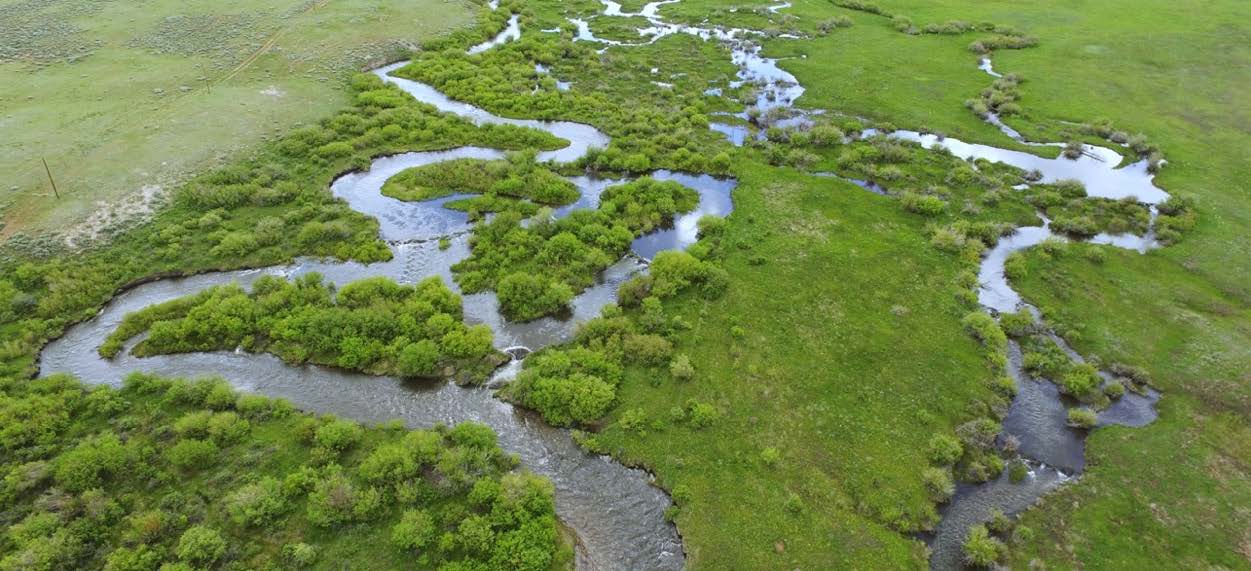
Across the Western U.S., many federal and state agencies, Tribes, NGOs, communities, and landowners are working to restore and conserve healthy stream and river systems. But the people who know the issue the best, like practitioners, advocates, and academics, would be the first to tell you there isn’t a common way to talk about the work. What’s more, many have struggled to express in simple terms to decision-makers how the streams and rivers that look healthy actually need help. These challenges have slowed down the pace, scale, and impact of conservation and restoration of these vitally important systems—and ultimately have prevented these stream and river systems from providing the essential benefits that people and nature need.
What did we do?
MG crafted a way for people of all backgrounds to use plain, non-technical language to talk about stream and river systems–their benefits, why many of these systems aren’t functioning like we need them to, and what can be done to improve their health. Utilizing MG’s experience in narrative development, history of working on natural resource issues in the West, and commitment to leveraging the wisdom of those in the field, our team conducted a broad-based campaign to create meaningful change.
We convened groups of advocates, restoration practitioners, and others that were working on or across public, private, and Tribal lands in a variety of Western geographies to co-create messaging and provide guidance. We conducted listening sessions to solicit formative input from voices that are essential to this work and had unique perspectives—including private lands restoration leaders, public land program leads, science thought leaders, and Tribal fish and wildlife staff and leaders. We then tested proposed messaging with a range of decision makers including federal land management leadership, Congressional staff, Western Governor’s staff, and state natural resource leaders. The final product is a communications handbook with customizable messaging that practitioners could put to use right away.
What happened?
As a result of our work, practitioners and organizations across the Western U.S. have access to a free, easy-to-use resource that can support their individual projects and create a broad based campaign across stream and river systems. The handbook is being utilized by practitioners in conversations with decision-makers at the federal, state, and local levels to speak more simply about healthy stream and river systems—and, most importantly, to increase the pace and scale of vital conservation and restoration efforts. To amplify the reach of this work and inspire more organizations to speak in a common way, we provided webinars to train practitioners on how best to use the handbook.